


12 Tourism Entertainment Ideas That Draw Crowds
A destination can have remarkable scenery, history and hospitality, yet still lose visitors after a quick photograph and a coffee. The strongest tourism entertainment ideas give people a reason to pause, participate and talk about the experience once they are home. For attractions, towns, visitor centres and seasonal festivals across Western Canada, entertainment is not an extra. It is often what turns a stop into a stay.
The right choice depends on the setting, visitor volume, season and desired atmosphere. A large outdoor festival needs visibility and energy. A heritage site may need storytelling and authenticity. A hotel or destination restaurant may benefit from polished entertainment that enhances the room rather than overpowering conversation. The common requirement is simple: give guests an experience they cannot get from a map, brochure or screen.
Tourism entertainment ideas that encourage longer stays
1. Welcome performances at key arrival times
The first ten minutes shape a visitor's impression of a destination. Schedule a short, high-quality performance when coaches arrive, hotel guests check in or a busy attraction opens its gates. Live vocal music or a costumed host can create an immediate sense of occasion without delaying the visitor flow.
Keep this brief and repeatable. A 15-minute set delivered several times a day is often more effective than one long show that many guests miss. It also gives staff a natural moment to explain what is happening next and where visitors should go.
2. Roaming performers who bring the site to life
Not every attraction has a stage, and that can be an advantage. Roaming singers and character performers can animate a street, market, museum courtyard or garden path while keeping the experience flexible. Guests encounter entertainment naturally rather than being asked to commit to a formal show.
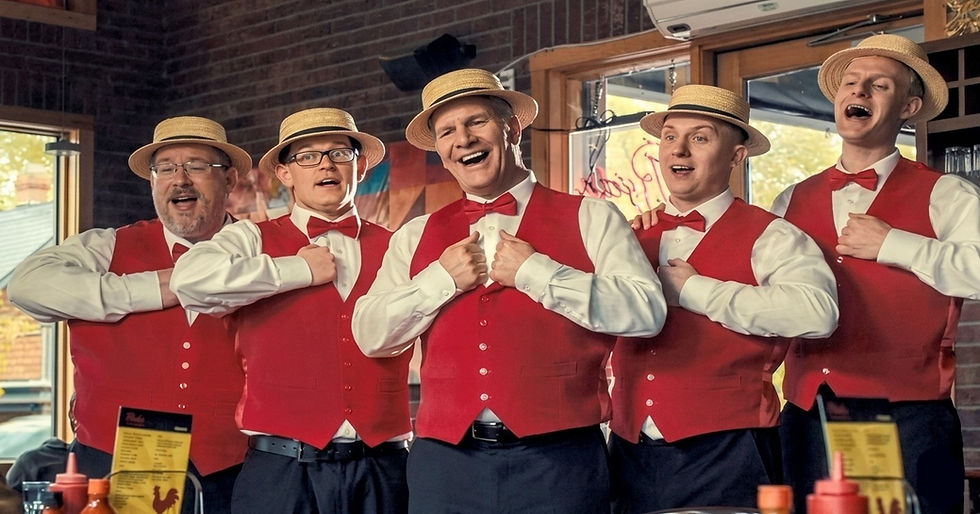
A cappella performers work particularly well in this format because there is no need for instruments, power or a complicated sound set-up. Four-part harmony can travel from a welcome area to a dining room or public square with minimal disruption. Executive Quartets has used this adaptable format across celebrations, promotions and tourist settings for more than two decades.
3. Short scheduled shows with a clear theme
A reliable show timetable gives visitors a reason to organise their day around your venue. The best scheduled performances have a simple promise: a Gold Rush music hall set, prairie songs and stories, vintage doo wop, Canadian country favourites or a Christmas singalong.
Aim for 20 to 35 minutes, particularly where families and large groups are involved. That length feels substantial but does not dominate the day. Build the schedule around natural peaks, such as late morning, mid-afternoon and early evening, rather than placing every performance at the same quiet time.
4. Local stories told by professional performers
History becomes more memorable when it is heard in a human voice. Instead of relying solely on panels and displays, use performers to interpret local characters, important moments or regional legends. The approach can be theatrical, musical or lightly comic, but it should be fact-checked and respectful.
This is especially valuable for heritage districts and small communities with a story that deserves more attention. A well-delivered 10-minute musical encounter can make visitors curious enough to explore a museum, book a guided walk or spend money with nearby businesses.
5. Hands-on music and movement sessions
Participation creates a stronger memory than passive viewing. Offer a simple harmony lesson, line-dancing taster, drumming session or group chorus that visitors of different ages can join without preparation. The aim is not technical excellence. It is shared enjoyment and a moment worth filming.
Make participation optional and easy to understand. A confident host, clear cues and a short duration matter more than elaborate equipment. For family attractions, this format can reset energy levels between longer activities and give adults a reason to stay engaged.
6. Food paired with live entertainment
Restaurants, tasting rooms and food markets can extend dwell time by adding music at the right moment. A vocal quartet performing jazz standards, country favourites or nostalgic doo-wop can give a lunch service or evening reception a distinctive identity while allowing guests to continue talking.
Volume and placement require care. Entertainment should support the meal, not compete with it. Short sets between courses, a welcome performance or a feature appearance at the end of service can be more successful than continuous music in a compact room.
7. Seasonal programming people return for
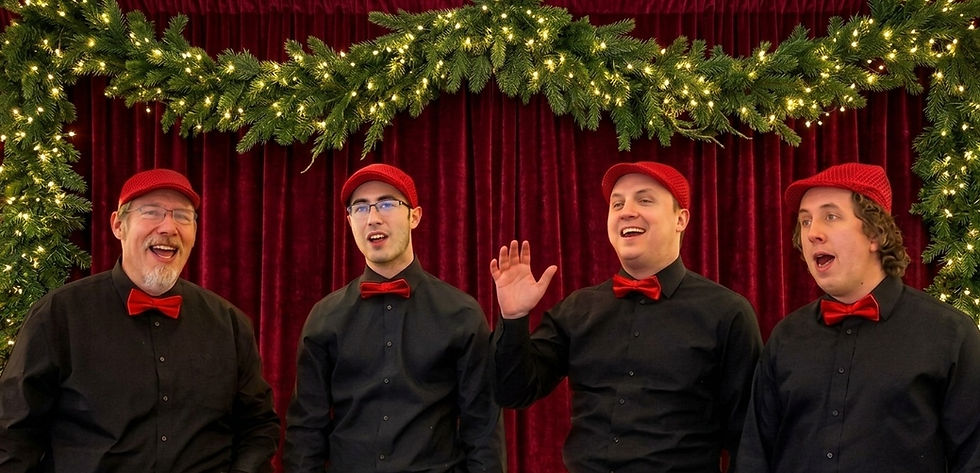
Seasonality is one of the clearest opportunities in tourism. Summer visitors may respond to outdoor street performances and lively local music. Autumn can support harvest celebrations, lantern events and storytelling. Winter destinations can create warmth with carolling, indoor harmony shows and festive characters.
The programme should feel specific to the season, not like the same act wearing a different costume. A dependable annual event also gives local residents a reason to attend, creating useful word of mouth before visitors arrive. Build a recognisable tradition and refresh one or two elements each year.
8. Entertainment designed for photographs and video
Shareable moments do not have to be gimmicky. A beautifully dressed vocal group, a surprise pop-up performance in a historic setting or a community chorus joining a final song can prompt guests to record and post naturally. The key is to give the moment a clear visual setting and enough space for people to watch.
Plan for this deliberately. Consider sightlines, signage, lighting and a defined finish that audiences recognise as the moment to applaud. If visitors are encouraged to share, use destination branding lightly so the experience remains the focus.
9. Evening programmes that extend the visitor day
Many attractions lose revenue because the day ends too early. An early-evening concert, twilight heritage walk, outdoor film or dinner-and-show package can encourage overnight stays and increase spending at local restaurants and accommodation providers.
Evening entertainment needs practical planning. Transport, weather, lighting, washrooms and accessible routes all influence whether guests enjoy the programme. In smaller communities, partnering with nearby accommodation and hospitality businesses can make the offer feel complete rather than isolated.
10. Corporate and group-tour add-ons
Tour operators, conference organisers and incentive planners want activities that are memorable but straightforward to book. A welcome show, banquet feature set or surprise performance at a reception gives group guests something personal to take away from the trip.
For this audience, reliability is as important as creativity. Provide clear performance lengths, technical requirements, weather contingencies and timing options. Entertainment that needs little equipment and can fit around a tight itinerary has a genuine commercial advantage.
11. Community showcases with professional polish
A destination should celebrate its local talent, but volunteer-led programming can benefit from an experienced anchor act. Professional performers can open the event, host transitions, support a finale or provide a dependable feature while local choirs, dancers, youth groups and artisans take part.
This model creates community ownership without placing the full burden on volunteers. It also makes the programme more attractive to visitors, who receive both a genuine local connection and a polished entertainment experience.
12. Rain-ready entertainment plans
Outdoor tourism in Alberta and Western Canada always needs a weather decision. The most effective programmes are designed with a credible indoor or sheltered alternative from the beginning. Do not treat the backup plan as an afterthought that audiences will experience as a downgrade.
Portable performers are useful here. Vocal entertainment, storytellers and acoustic acts can move to a visitor centre, covered pavilion, hotel lobby or dining space far more easily than large production shows. Communicate the weather plan clearly, then deliver it with the same confidence as the outdoor version.
Choosing entertainment that fits the destination
Start with the behaviour you want to encourage. If the goal is longer stays, programme performances across the day and give visitors a reason to wait for the next set. If the priority is social sharing, choose a visually clear, surprising moment. If you need group-tour bookings, favour acts with proven timing, simple logistics and broad appeal.
Repertoire matters as much as format. Familiar songs can bring together multi-generational audiences quickly, while themed material creates a stronger sense of place when it is used thoughtfully. A mix of barbershop, jazz standards, country, doo wop and seasonal music can suit a wide range of audiences without making the programme feel generic.
The most valuable entertainment does more than fill a gap in the schedule. It gives guests a story: the singers who appeared in the street, the song they joined after dinner, the unexpected performance that made a rainy afternoon worthwhile. Plan for that story, and visitors will carry your destination further than any brochure can.

Comments