

Live Music at Tourist Attractions That Will Draw a Crowd
A visitor can walk past a banner, a photo wall or a food stall without stopping. Four voices in close harmony are harder to ignore. Music for tourism activations works best when it gives people a reason to pause, smile, film a moment and feel that they have arrived somewhere worth remembering.
For destination marketers, attraction operators and festival organisers, that moment matters. Tourism programming is not simply about filling a schedule. It is about creating a sense of place, encouraging dwell time and giving visitors a story they will take home. The right live music can do all three without turning a public space into an over-produced stage show.
Why live music belongs in tourism programming
Tourism activations compete with full itineraries, changing weather and short attention spans. Visitors may only have a few minutes between a museum visit, a café stop and the next family photo. Live performers create an immediate focal point that printed signage and recorded playlists rarely achieve.
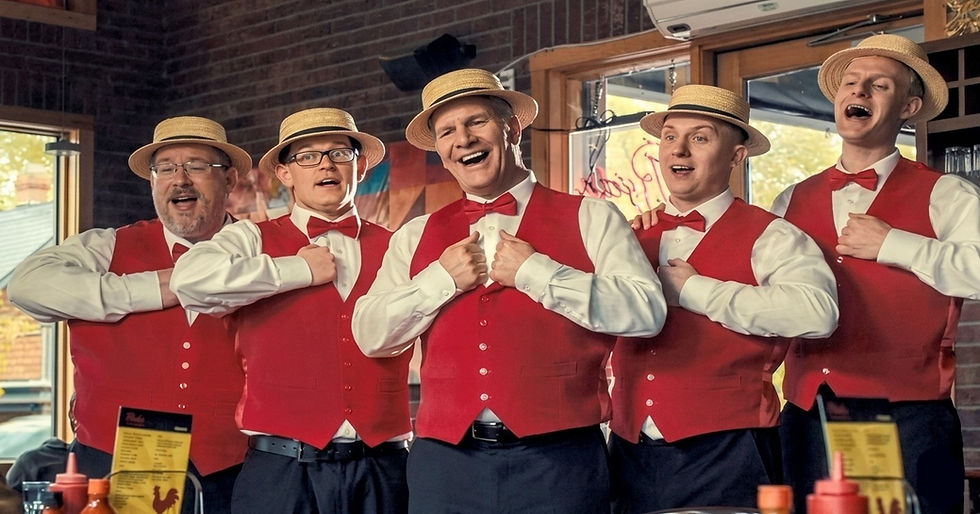
A cappella music is especially effective in public-facing settings. There is no instrument load-in, no large stage footprint and no need for a high-volume sound system to make an impact. A polished quartet can perform at an entrance, along a pedestrian route, in a heritage district or beside a sponsor display, then move to the next location as the programme requires.
That flexibility has practical value. It allows organisers to bring entertainment to the visitor instead of expecting visitors to find it. It can also soften the atmosphere of queues, welcome guests at a tourism conference or add warmth to an evening reception without disrupting conversation.
The emotional return is just as important. Close vocal harmony feels personal. A familiar doo wop song, jazz standard, country selection or seasonal favourite can connect generations in seconds. People stop because they recognise the tune. They stay because the performance feels unexpected and genuinely live.
Live Music at tourist attractions need a clear goal
The strongest entertainment choice begins with one question: what should this activation make visitors do or feel? The answer may be different for every site and season.
At a visitor centre, music may be there to create a warm first impression. At a heritage attraction, it may reinforce a period theme without requiring a full theatrical production. At a downtown summer event, it may be designed to animate public space and encourage people to linger near local businesses. During Christmas programming, the goal may simply be to make a cold evening feel festive and worth sharing.
When the purpose is clear, the performance format becomes easier to plan. A thirty-minute feature set can gather a crowd in a plaza. Short roaming appearances can create repeated moments of surprise throughout the day. A welcome performance at a conference or industry event can establish a confident, local tone before the formal programme begins.
Avoid booking music merely because the schedule has an empty slot. A strong act should support the visitor journey. Consider where guests first arrive, where queues form, where footfall drops and where photographs are most likely to be taken. Those are often the places where live performance has the greatest effect.
Choose music that fits the destination, not just the theme
A tourism activation should feel connected to its setting. That does not mean every song needs to be historical or regional. It means the repertoire, presentation and level of energy should make sense for the people and place involved.
A refined vocal quartet can bring sophistication to a gala at a landmark hotel, nostalgia to a heritage celebration and light-hearted energy to a street festival. The same core format can be tailored through song choice, costuming and performance style. This is more useful than a one-note act that works only in one environment.
For Western Canadian audiences, broad appeal is often the sensible choice. Tourism audiences are mixed by age, origin and musical taste. Songs that are recognisable, upbeat and performed with real character give families, tour groups, conference delegates and local residents a shared point of connection.
There is a trade-off. Highly specialised music can make a powerful statement for a niche event, but it may narrow the audience. Familiar material can be more inclusive, though it needs a professional performance to avoid feeling predictable. A versatile live act gives organisers room to balance both - a few carefully chosen thematic pieces alongside crowd-friendly favourites.
Plan for flow, visibility and sound
Even exceptional performers need the right conditions. Tourism sites are busy, and the production plan should protect the experience without making it complicated.
Start with visibility. Place performers where they can be seen before they can be heard, particularly in noisy outdoor spaces. An entrance, courtyard, concourse or defined gathering point gives visitors a natural reason to stop. If the act is roaming, agree on clear routes and appearance times so staff can direct guests and photographers know where to be.
Then consider sound. A cappella performers can work acoustically for intimate groups and walkabout entertainment, but a larger public space may need discreet amplification. The aim is clarity, not volume. Guests should be able to enjoy the music without feeling that it overwhelms nearby vendors, interpreters or other programmed activities.
Weather planning also matters in Canada. Outdoor activations need a covered alternative, a sensible arrival route and realistic expectations around temperature. Vocal performers may not need the staging requirements of a full band, but they still need a safe, dry performance area and enough time to adjust if conditions change.
Finally, build in breathing room. A performance schedule that allows for set-up, movement and guest interaction will feel relaxed and professional. Trying to force a new act into every five-minute gap usually creates rushed transitions rather than energy.
Create moments people will share
The most valuable tourism content is often created by visitors themselves. A delighted family recording a chorus, delegates posting a welcome performance or a couple taking a photo with performers can extend the life of an activation well beyond the event day.
This should not become a demand for every act to chase social media trends. The better approach is to create naturally photogenic moments. A quartet singing in a distinctive location, greeting visitors in coordinated attire or performing a well-known chorus can give people an easy reason to take out their mobile phones.
Staff can help by knowing when and where performances will happen. A simple prompt at the welcome desk - “The singers will be in the courtyard in ten minutes” - can guide guests towards a memorable moment. Event photographers should also be briefed to capture authentic reactions, not just performers standing in formation.
Music can support sponsors in a similarly tasteful way. Rather than interrupting a set with repeated announcements, position a performance near a sponsor activation, invite guests to a scheduled feature moment or include a brief acknowledgement in the event programme. The entertainment remains the attraction, while the sponsor benefits from the attention it brings.
Work with performers who understand live events
Tourism programming often includes multiple stakeholders: municipal teams, destination organisations, venue staff, volunteers, sponsors and local businesses. A dependable entertainment partner makes that coordination easier.
Experience matters because public performance requires more than musical ability. Performers need to read a mixed crowd, maintain energy when attendance fluctuates, work around operational changes and represent the destination with polish. They should arrive prepared, communicate clearly and understand that every interaction contributes to the guest experience.
Executive Quartets brings more than 20 years of experience and over 250 performances to events across Western Canada. Their four-part a cappella format offers a distinctive, compact option for tourist attractions, promotions, corporate hospitality and seasonal programming, with repertoire ranging from barbershop and doo wop to country, jazz standards and Christmas music.
For organisers, that breadth can reduce risk. One professional vocal group can suit a formal reception, a family-friendly attraction and a promotional appearance, provided the format and repertoire are planned around each setting.
A memorable tourism activation does not always need a larger stage, a longer schedule or more equipment. It needs a moment that feels alive, welcoming and true to the destination. Start with the visitor experience you want to create, then choose music that gives people a reason to stop, listen and remember where they were.


Comments