

Radio Jingle Singers Who Make Brands Memorable
A three-second vocal tag can outlast an expensive media buy. When listeners hear a familiar harmony, a well-placed brand name or a bright melodic hook, they often remember it long after the advert, promotion or station break has ended. That is why radio jingle singers remain a valuable creative choice for organisations that want their message to sound distinctive rather than merely announced.
For radio stations, a jingle establishes personality between songs, news updates and sponsor messages. For businesses, it can turn a short campaign line into something customers repeat. The right voices bring warmth, authority, humour or nostalgia to a message - and a live harmony group can make even a brief piece of copy feel like an occasion.
What radio jingle singers bring to a campaign
A professionally performed jingle is not simply a slogan set to music. It is a compact piece of branding. It needs clear words, a melody that lands quickly and a vocal performance with enough character to cut through a busy audio environment.
Radio jingle singers give that message a human quality. A group can brighten a cheerful retail promotion, add polish to a corporate sponsorship announcement or create the festive lift needed for a Christmas campaign. Four-part a cappella harmony is especially effective because it creates a full, musical sound without relying on a large instrumental arrangement. The blend itself becomes part of the identity.
This matters when the audience has little time to pay attention. A listener may be driving, working, cooking dinner or scrolling through a mobile phone when the spot plays. A clean vocal hook can capture attention before the listener has decided whether to skip, switch or tune out.
The strongest jingles are also flexible. A core melody can be adapted for a 30-second commercial, a five-second station identifier, a social video or a live promotional appearance. That consistency helps a campaign feel joined up while allowing the delivery to suit each placement.
The sound should match the brand, not just the brief
Not every campaign needs the same type of voice. A luxury hospitality brand may benefit from smooth, elegant jazz-inspired harmony. A family event might call for upbeat doo wop energy. A western Canadian tourism campaign could suit a warm country flavour, while a heritage promotion may need the cheerful familiarity of classic barbershop.
The question is not, “What style sounds impressive?” It is, “What will sound believable for this audience?” A jingle that feels too slick can undermine a community-minded promotion. One that is overly playful may not suit a serious business announcement. Skilled performers and producers consider pace, diction, vocal colour and arrangement alongside the script.
There is also a practical consideration: clarity. Clever copy is of little value if the business name, offer or call to action gets lost in the music. Good radio jingle singers know how to balance harmony with intelligibility, giving key words space and emphasis. The listener should enjoy the sound without having to work to understand it.
Why live vocal harmony stands apart
Synthesised vocals and stock music can be useful for straightforward, low-budget audio. They are fast, often inexpensive and widely available. The trade-off is that they can sound generic, particularly when similar libraries are used across many campaigns.
Live singers offer a more individual result. The small variations in phrasing, blend and vocal tone make the recording feel present and intentional. When several voices lock into a close harmony, the sound has energy that is difficult to imitate convincingly. It can be nostalgic without being old-fashioned, especially when a classic vocal style is paired with fresh copy and a modern mix.
A quartet also offers a valuable bridge between recorded and live marketing. The same performers who sing a radio tag can appear at a launch, trade show, grand opening or client celebration. Guests hear the campaign sound brought to life in the room, giving the promotion a sense of continuity that a recorded advert alone cannot create.
For organisations planning a local campaign, this can be particularly effective. A familiar voice on a regional station followed by a polished live appearance creates repeated contact without making the message feel repetitive. It is advertising with a performance element people may actually talk about afterwards.
Planning a jingle that earns repeat listens
The best results begin with a focused creative brief. Before writing a lyric or choosing a style, decide what the listener must remember. In most cases, that is one business name, one offer, one event date or one simple brand promise. Trying to fit every detail into a short jingle usually weakens the message.
Keep the language natural. A phrase that reads well in an email may be awkward to sing, while a short line with strong vowel sounds can become highly memorable. Experienced vocal performers can advise on phrasing, breath points and where a brand name should sit in the melody. That input is useful early, not only after the copy has been approved.
Length deserves equal attention. A six- to ten-second identifier needs immediate impact. A 30-second campaign spot has room for a story, but the main hook should still arrive early. If the promotion will run for several weeks, consider recording alternate versions around the same melody. This retains recognition while preventing listener fatigue.
For many clients, the most efficient approach is to plan a small family of assets at once: a short sonic logo, a standard advert version, a seasonal variation and a live arrangement for appearances. It does require more up-front coordination, but it can give a campaign a stronger and more consistent voice across its full run.
Recording quality is part of the message
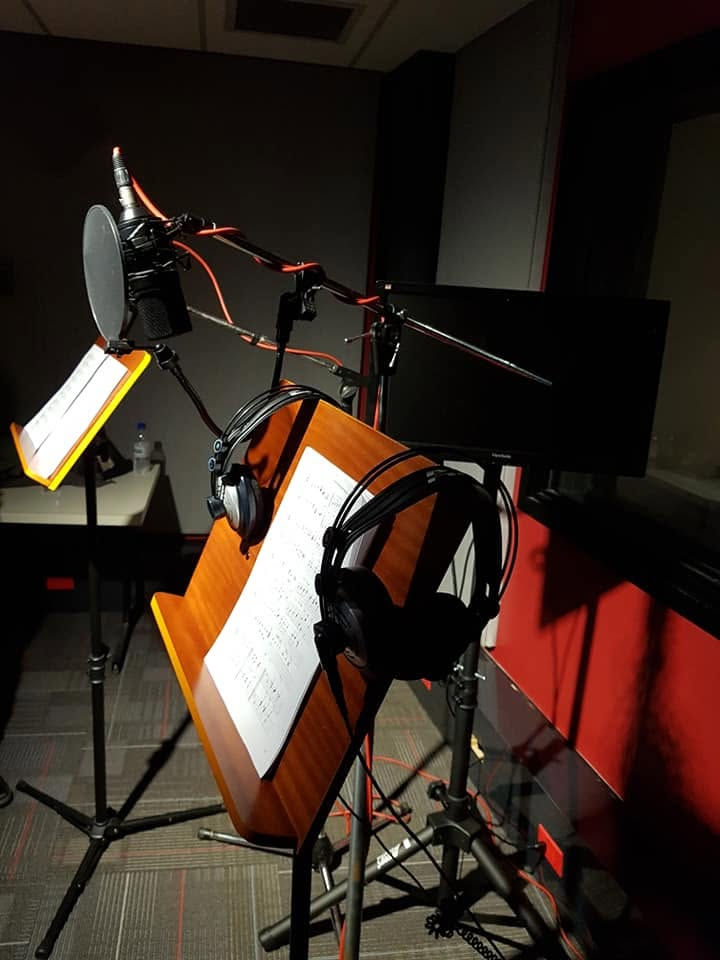
A good performance needs a recording process that respects the detail of the voices. Close harmony depends on tuning, timing and balance. If the lead is buried, consonants are softened or the mix is compressed too heavily, the jingle can lose the sparkle that made it compelling in the first place.
Professional preparation helps. Singers should receive the final copy, melody, key and intended use before the session. This allows them to prepare appropriate delivery rather than treating the recording as a last-minute read. It also reduces avoidable revisions, which is valuable when campaign deadlines are tight.
Production choices should reflect where the jingle will be heard. Radio, podcast pre-roll, social media and in-store playback all have different listening conditions. A piece designed for a quiet pair of headphones may need a more direct mix for a noisy shop or a car stereo. Ask for versions suited to the planned formats rather than assuming one master will perform equally well everywhere.
A proven choice for events, media and promotions
For planners, the appeal of professional vocal talent is not only the finished audio. It is reliability. Timings matter, copy needs to be handled accurately and the performance must arrive with the confidence expected of a public-facing campaign.
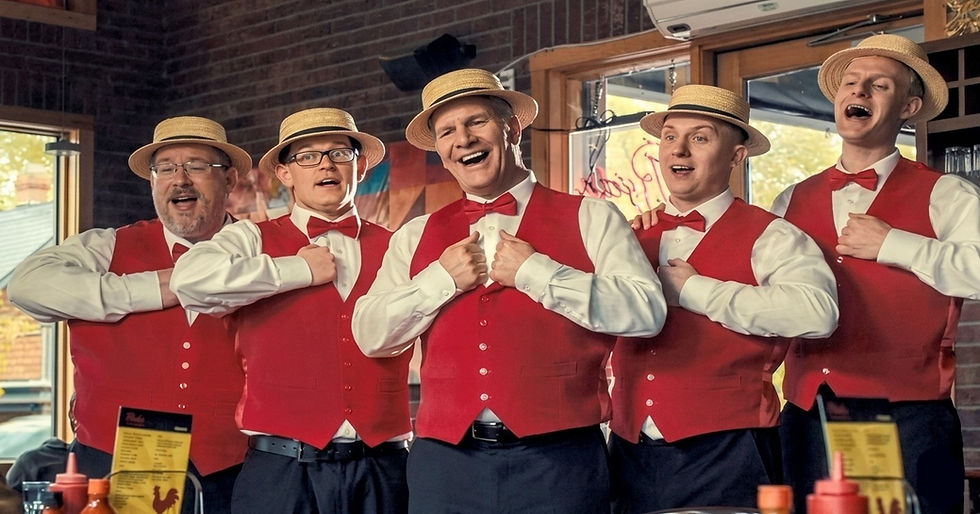
Executive Quartets brings more than 20 years of experience and over 250 performances to vocal entertainment across Western Canada. With repertoire spanning barbershop, doo wop, country, jazz standards and Christmas music, the group can bring polished four-part harmony to media work, promotional events and live brand moments.
That range is useful because campaigns are rarely one-dimensional. A company may need a formal sound for a business awards evening, then a lively vocal feature for a public activation the following day. Working with performers who understand both stagecraft and audience response makes the transition easier.
Give listeners something worth remembering
The most effective jingle does not try to say everything. It gives listeners one clear idea, delivered with a sound that feels unmistakably connected to the brand. Whether the aim is to build station identity, launch a seasonal offer or put more personality into a local promotion, capable singers turn a short message into a moment.
Choose voices that can deliver the right style, record with care and, where possible, carry that same sound into the live experience. A memorable harmony may only last a few seconds on air, but it can keep working in the listener’s mind long after the break is over.


Comments